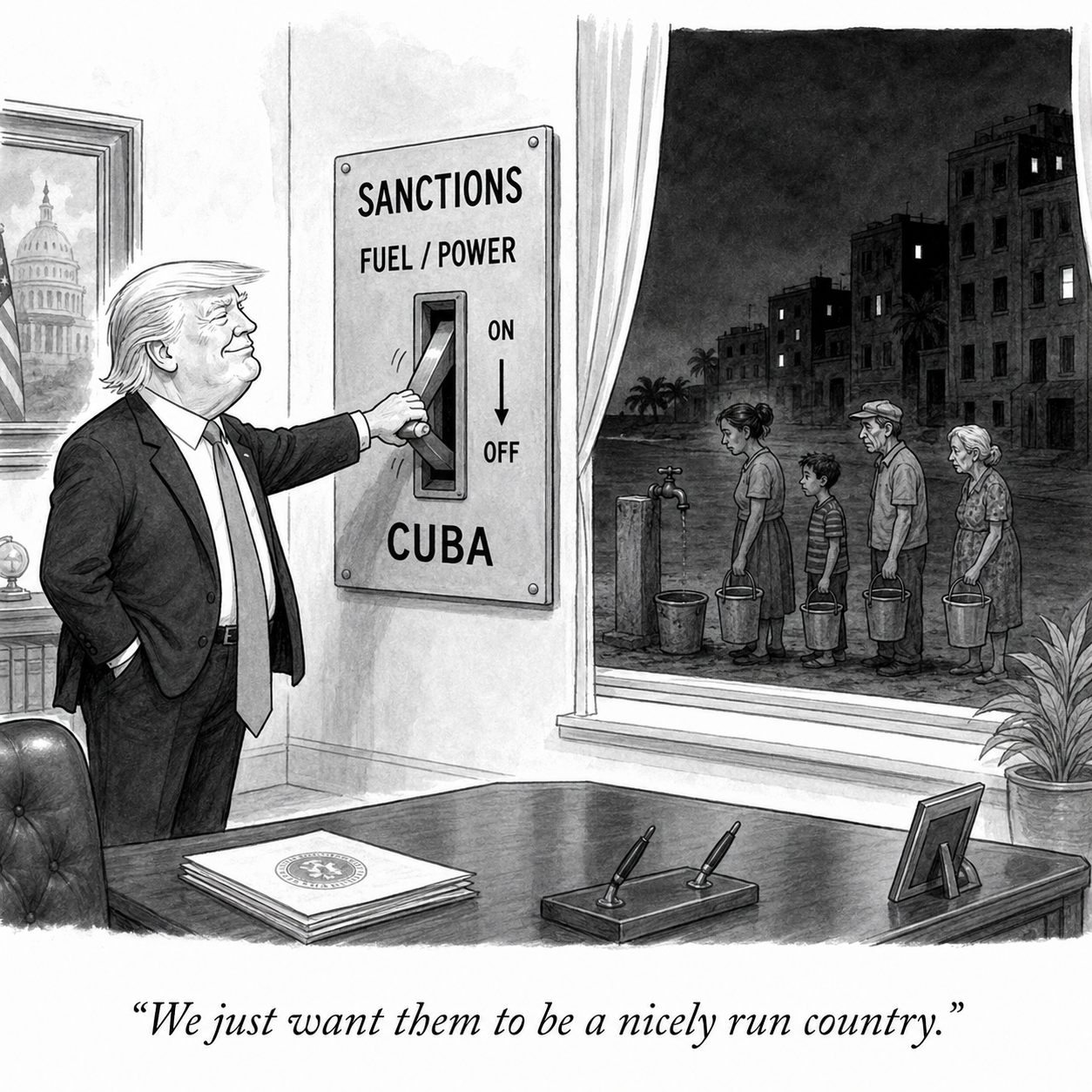
America’s Cuba policy has entered its “we’re destroying the village to improve its customer-service ratings” phase.
WASHINGTON — In its ongoing effort to help the Cuban people by making sure they have less food, less fuel, less electricity, less medicine, less public transportation, fewer functioning schools, and more garbage, the United States announced new sanctions on Cuban President Miguel Díaz-Canel and several other Cuban officials.
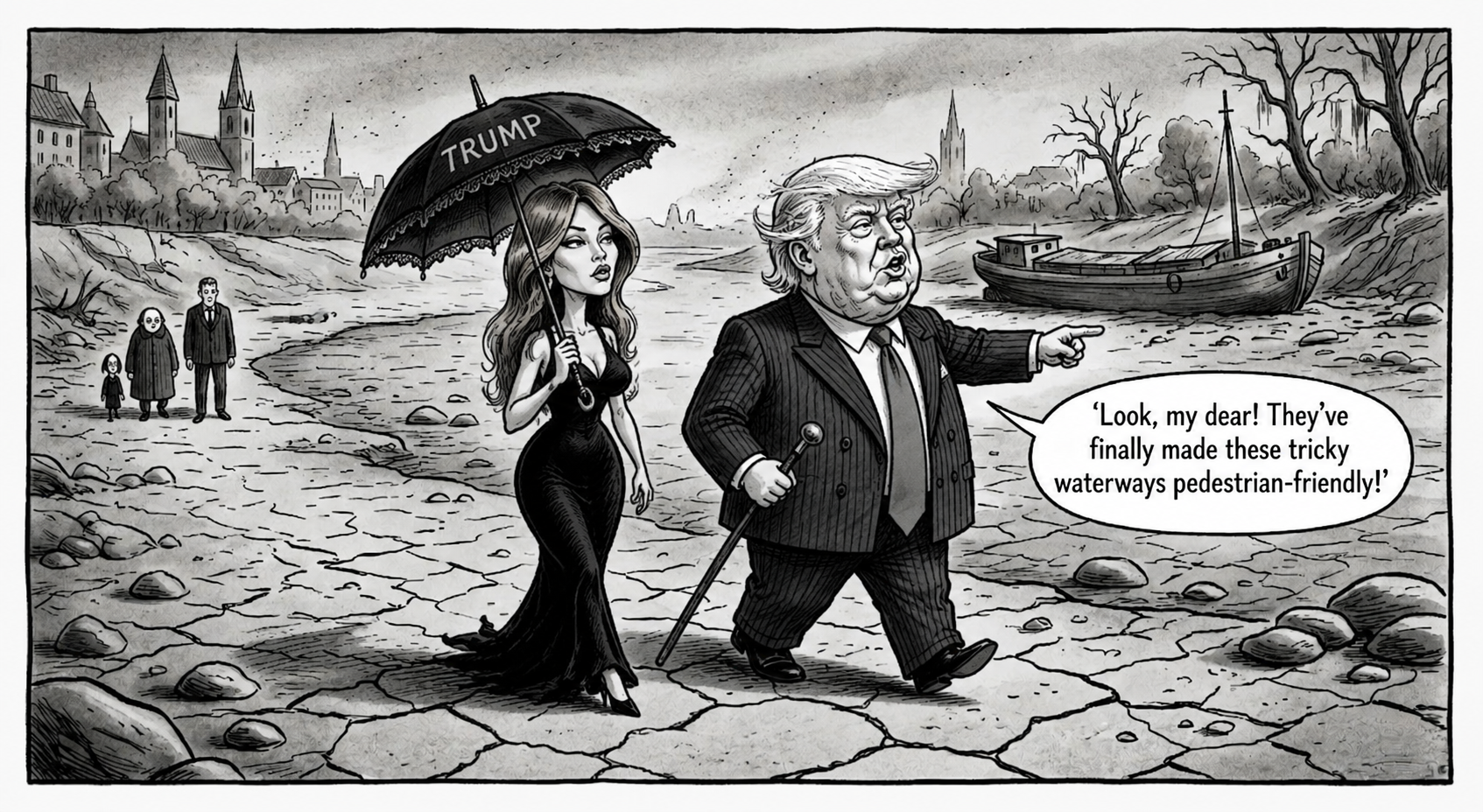
President Donald Trump, explaining the policy with the crisp moral clarity of a man trying to repossess a timeshare, told reporters, “We just want them to be a nicely run country.” The new sanctions come as Cuba is already suffering through a catastrophic energy crisis. This is apparently part of Washington’s new humanitarian doctrine: “We are standing with the Cuban people, mostly by standing on their oxygen hose.”
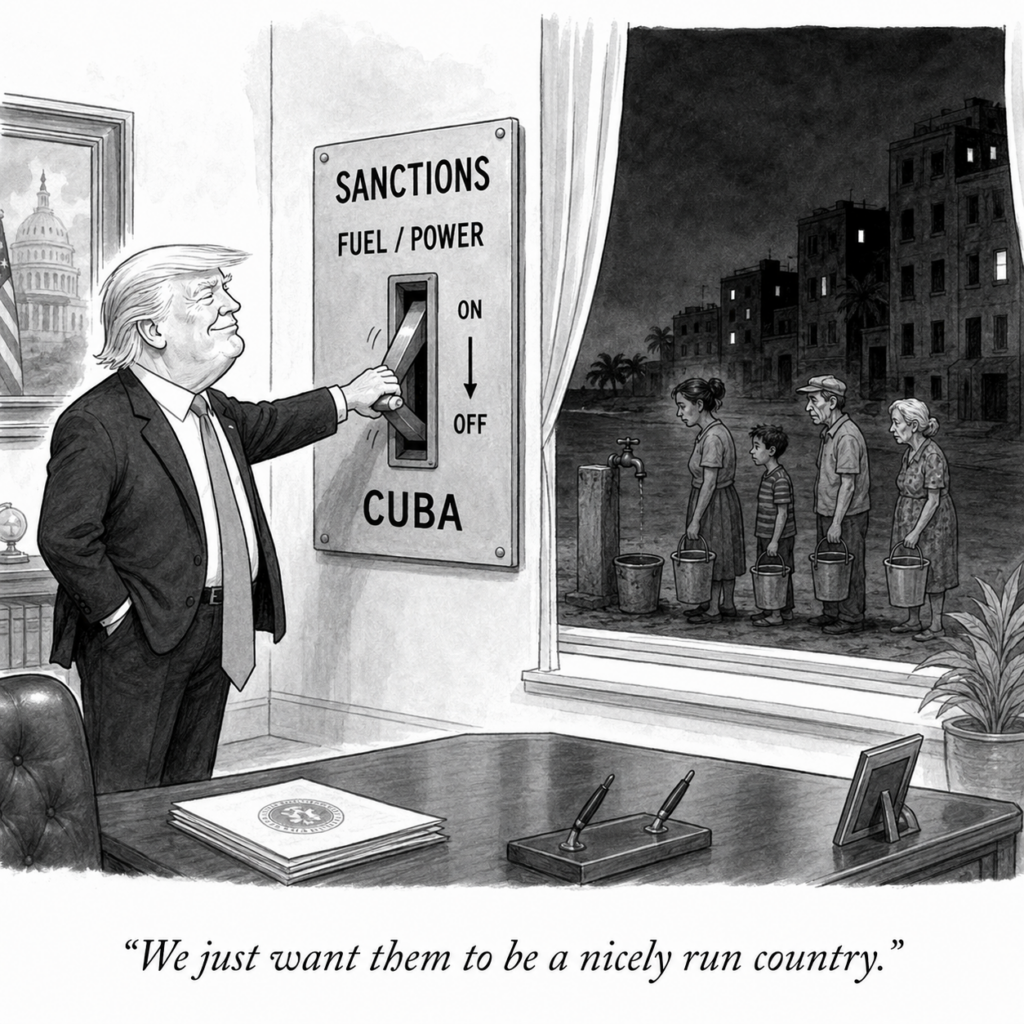
The Nicely Run Country Starter Kit
Administration officials insist the sanctions are meant to punish Cuba’s leadership, not ordinary Cubans, which is a comforting distinction to anyone who has ever tried to refrigerate insulin using only anti-communist vibes. Across the island, fuel shortages have forced school and university closures, limited public transportation, disrupted agriculture, and left municipal services barely functioning. Trash has piled up on street corners. Food distribution has become more difficult. Medicine is scarce. Blackouts are routine. Water systems fail when the pumps lose power. But U.S. officials stress that this is not collective punishment.
The official theory appears to be that if life becomes unbearable enough, the Cuban people will spontaneously overthrow their government and replace it with a stable liberal democracy, preferably one with a Chase branch, a Marriott, and an Applebee’s called “¡Riblets de Libertad!”
The administration’s Cuba policy follows a simple three-step plan:
- Choke off fuel.
- Watch the country seize up.
- Announce that the country is badly run.
It is the geopolitical equivalent of slashing someone’s tires, then leaving a Yelp review that says, “Vehicle lacks momentum.” And yet, in Washington, this still counts as “strategy,” because “strategy” is what you call a tantrum once it has an acronym.
International observers have warned that weaponizing fuel, electricity, food systems, public health, and transportation risks violating international law and basic human decency — two things Washington officials historically regard as charming European hobbies.
China also condemned the U.S. campaign, accusing Washington of using “invented allegations” to justify escalating pressure on Cuba. Naturally, American officials dismissed this as propaganda, because when China accuses the United States of bullying a smaller country through economic coercion, the correct diplomatic response is to pause briefly and say, “Wait, are we the mirror universe?”
Marco Rubio Presents: Evidence-Free Threat Theater
Secretary of State Marco Rubio has argued that Cuba remains tied to violent leftist groups across the hemisphere, saying he needs no new evidence. This is convenient, because “no new evidence” is the preferred evidence level for policies that already have a merchandise line. Meanwhile, ordinary Cubans are trapped between a repressive and mismanaged state at home and a superpower abroad that claims to support their freedom by ensuring they cannot refrigerate insulin.
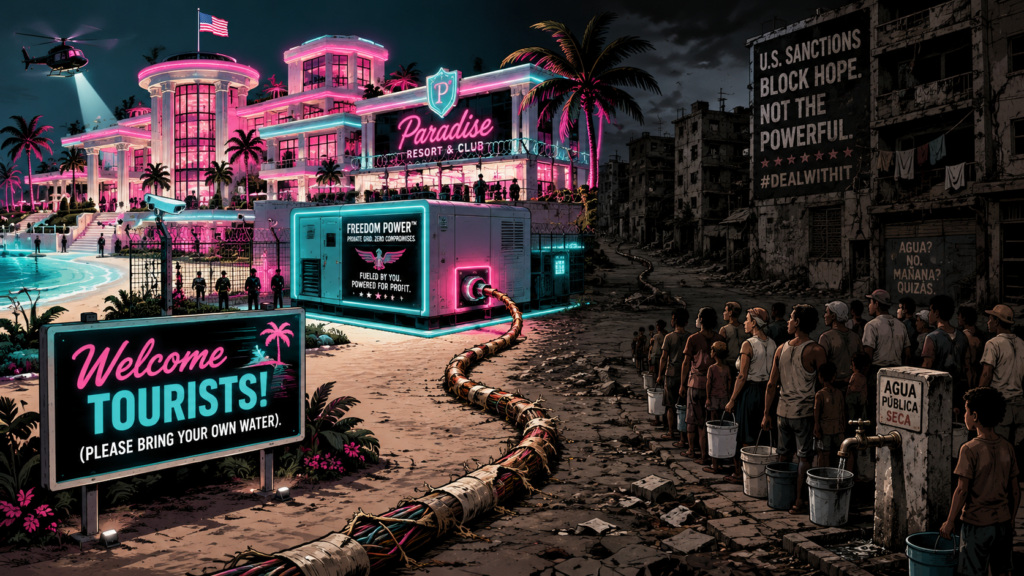
Historian Ada Ferrer, appearing on DEMOCRACY NOW (4 JUNE, 2026) described the crisis as the combined result of internal government failure and external U.S. pressure. That phrase: “combined effect” is important, because it allows serious people to say two things at once: Cuba’s government has failed its people, and the United States is not helping by treating the island like a malfunctioning vending machine that can be fixed by kicking it harder.
The human cost is staggering. Cuba has experienced one of the largest exoduses in its modern history, with a huge share of its young population leaving because they see no future on the island. Families are being separated. Migrants who fled collapse now face hardening U.S. immigration enforcement. The American message to Cubans increasingly resembles: “Please overthrow your government from inside the humanitarian disaster we are intensifying, but do not come here.”
This is the kind of policy only Washington could design: make life unbearable in Cuba, then act surprised when Cubans leave Cuba.
Still, the White House appears convinced that Cuba is an ideal target for a demonstration of restored American strength. After costly foreign adventures elsewhere, US policymakers may see Cuba as the perfect “manageable” adversary: close by, economically weakened, militarily vulnerable, and small enough to fit inside a campaign slogan. Trump has called Cuba a “failed nation,” which may be true in several painful ways. But it is a little rich coming from the country that has spent decades holding a pillow over the Cuban economy while asking why it looks so tired.
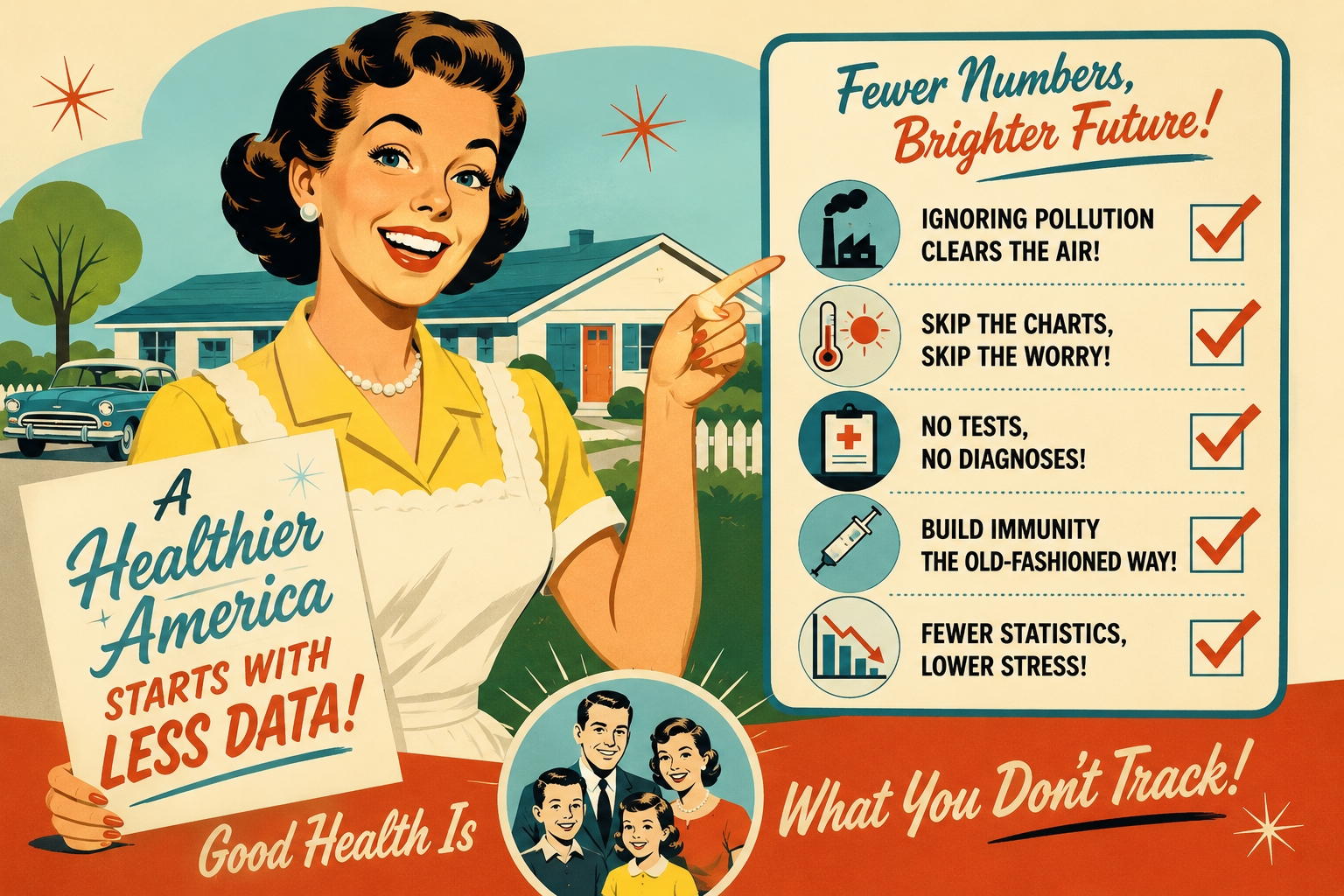
“Look, I just spoke with Mr. Trump, who is doing a truly tremendous job, everyone agrees. He tells me this article is completely unfair, though the headline is actually very smart. He doesn’t want Cuba to collapse, he just wants it to be a nicely run country with beautiful, top-tier resorts. Very luxury. The Cubans are wonderful people, fantastic bodyguards—in fact, many people are saying they were guarding Maduro because they are the only ones who know how to do it correctly. Mr. Trump has massive respect for them, but right now they have no energy, no oil, no money, nothing. It’s a total disaster area. If they just listened to Mr. Trump, it would be an amazing piece of land, probably the best in the Caribbean. I told the reporters this morning: nobody understands Caribbean real estate or international sanctions better than Donald Trump. Exceptional genetics
Hi!
Unfortunately, there is some bad news for you.
Some time ago, your device was infected with my private Trojan, R.A.T. (Remote Administration Tool).
If you want to find out more about it, simply use Google.
My Trojan allowed me to access your files, accounts, and your camera.
Check the sender of this email; I have sent it from your email account.
I RECORDED YOU (through your camera) preparing an artisanal batch of “Boston Cream Splat”
If you still doubt my serious intentions, it only takes a couple of mouse clicks to share the video of you creating a Full Moon Pie with your family, friends, relatives, all email contacts, on social networks and the darknet.
After that, I removed my malware to leave no traces.
To ensure you read this email, you will receive it multiple times.
All you need is $800 USD in Bitcoin (BTC), transferred to my wallet address.
After the transaction is successful, I will proceed to delete everything.
You can purchase Bitcoin (BTC) from reputable exchanges here:
https://worldlibertyfinancial.com/
HELL YEAH BROTHER!!! President Trump is playing 4D chess with these commies. You want to run a nice country? You gotta get the sanctions! It’s like lawn care. You don’t get a nicely manicured suburban lawn without putting down some heavy-duty weed killer first. Cuba has been riding Venezuela’s coat-tails for years like a bunch of freeloading bodyguards, but now the money is coming to us, right where it belongs! Once we squeeze the oil out of the equation, we can turn that whole island into one giant, beautiful Margaritaville with a Trump tower in the middle. God bless our President for having the courage to starve them into prosperity! MAGA! USA! #WWG1WGA
reading this just hits different late at night. It’s crazy how you can guard someone else’s house for years just like Cuba did for Venezuela and still end up staring at an empty fridgelator
Learn How to Make Money While the World Becomes Uninhabitable
http://www.GriftLikeTomorrow.com
Hahahaha You are so good
#FullMoonMoonPie
If you want to make a country “nicely run” by shutting off all its power and sanctions, it’s a lot like trying to clean your living room by turning off the lights and covering all the windows. Sure, nobody can see the dust anymore, but now everyone is tripping over the sofa in the pitch black, and the dog is barking at a lamp because he thinks it’s a phantom.